Customs Clearance – Step by Step Process
Introduction to the customs clearance process
Customs clearance is a systematic, formal process of controlling and approving the transport of goods across national borders, conducted by specialized customs authorities. It is an essential element of international trade, enabling legal import and export of products in accordance with applicable regulations.
The Customs Administration in Poland, operating within the structures of the National Tax Administration (KAS), plays a key role in overseeing the legal flow of goods across the country's borders – from collecting duties and taxes to protecting the domestic market from illegal imports.
Complete and properly prepared customs documentation forms the basis for efficient clearance. Missing documents or formal errors can lead to delays, additional costs, or even detention of goods at the border.
Preparation and verification of documents
The first step is the meticulous preparation of all necessary documents – commercial invoices, bills of lading, customs declarations or certificates of origin. Early verification helps avoid delays at later stages of clearance.
Inspection of goods by customs services
The next step is the inspection of goods by customs officers – physical or documentary. Depending on the type of goods, additional sanitary, phytosanitary or veterinary inspections may be required.
Processing the declaration and duties
After positive verification, the customs declaration is processed by the customs system. Duties, taxes and other fees required by law are calculated, and their payment is a condition for releasing the goods for circulation.
Confirmation of clearance and further transport
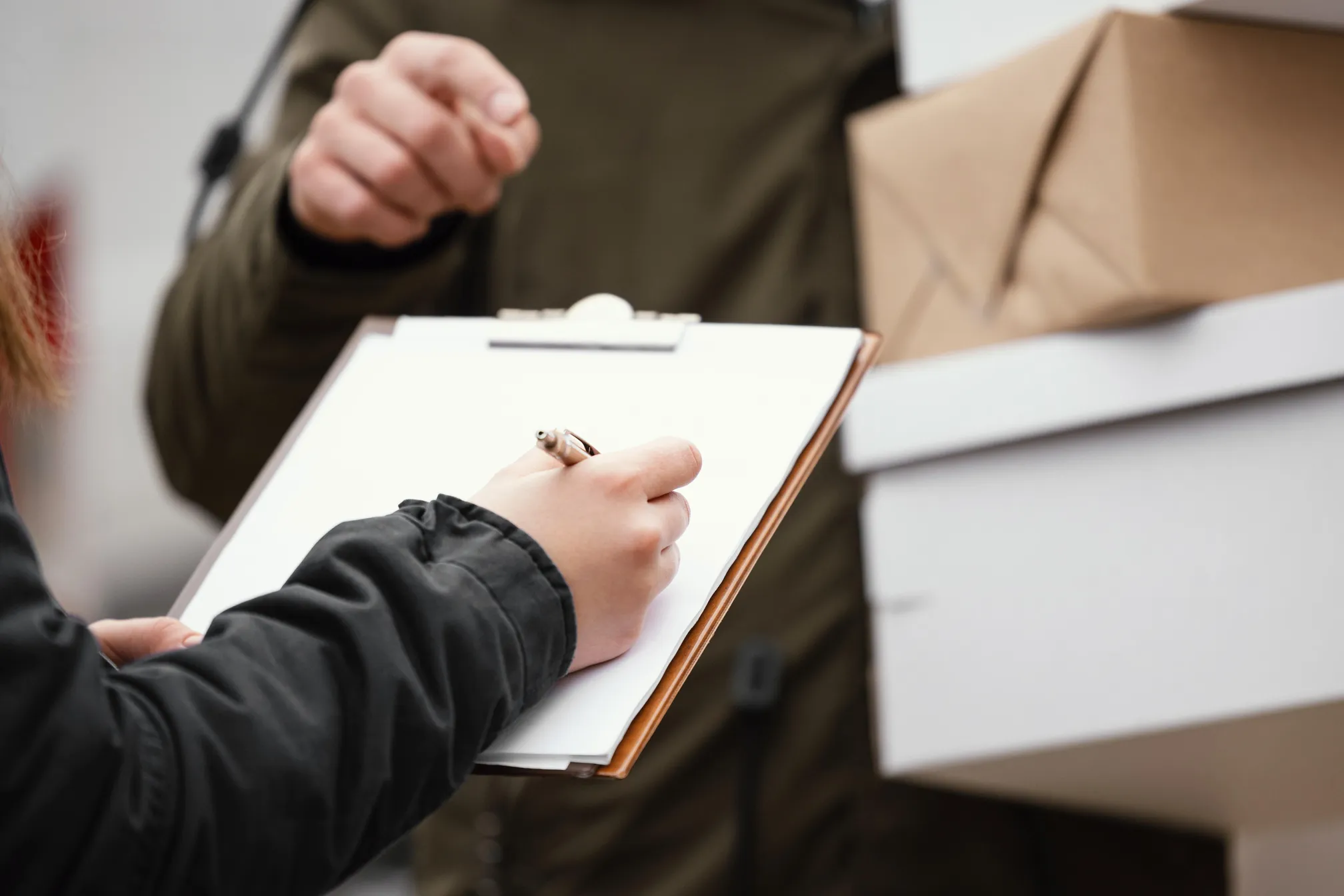
Once the process is completed, the entrepreneur receives confirmation that the goods have been released for circulation, and the documentation is archived. The goods can then be handed over for further transport, storage or sale.
Why it pays to prepare customs clearance properly
Properly conducted customs clearance is the foundation of the smoothness of global supply chains and the security of economic transactions, protecting the interests of both businesses and consumers.
Even small errors in the documentation can lead to serious consequences – delays, additional costs, or even detention of goods at the border.
At Pacia, we support our clients at every stage of customs clearance – from document preparation, through the declaration, to collection of the goods and further transport.